


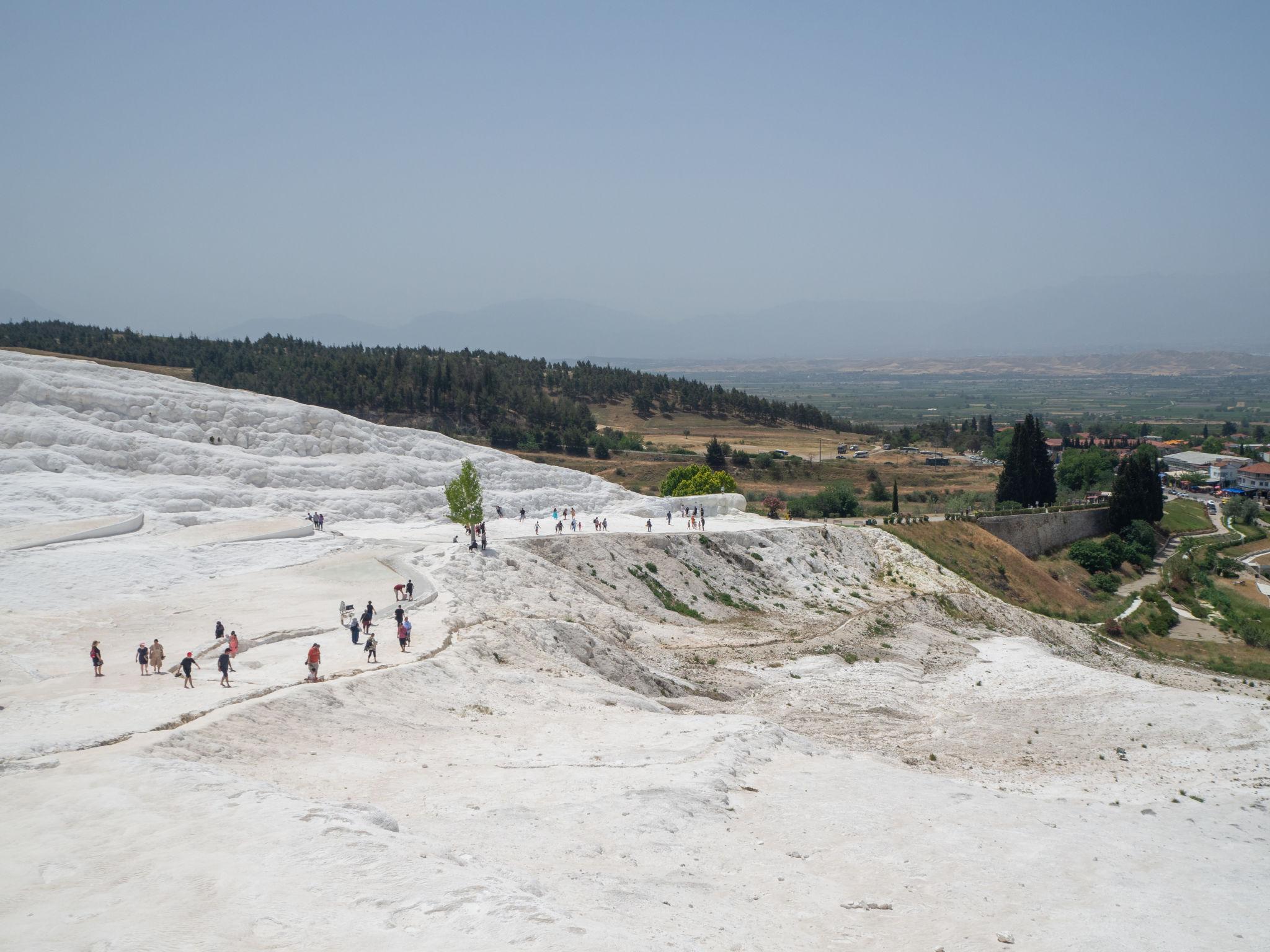
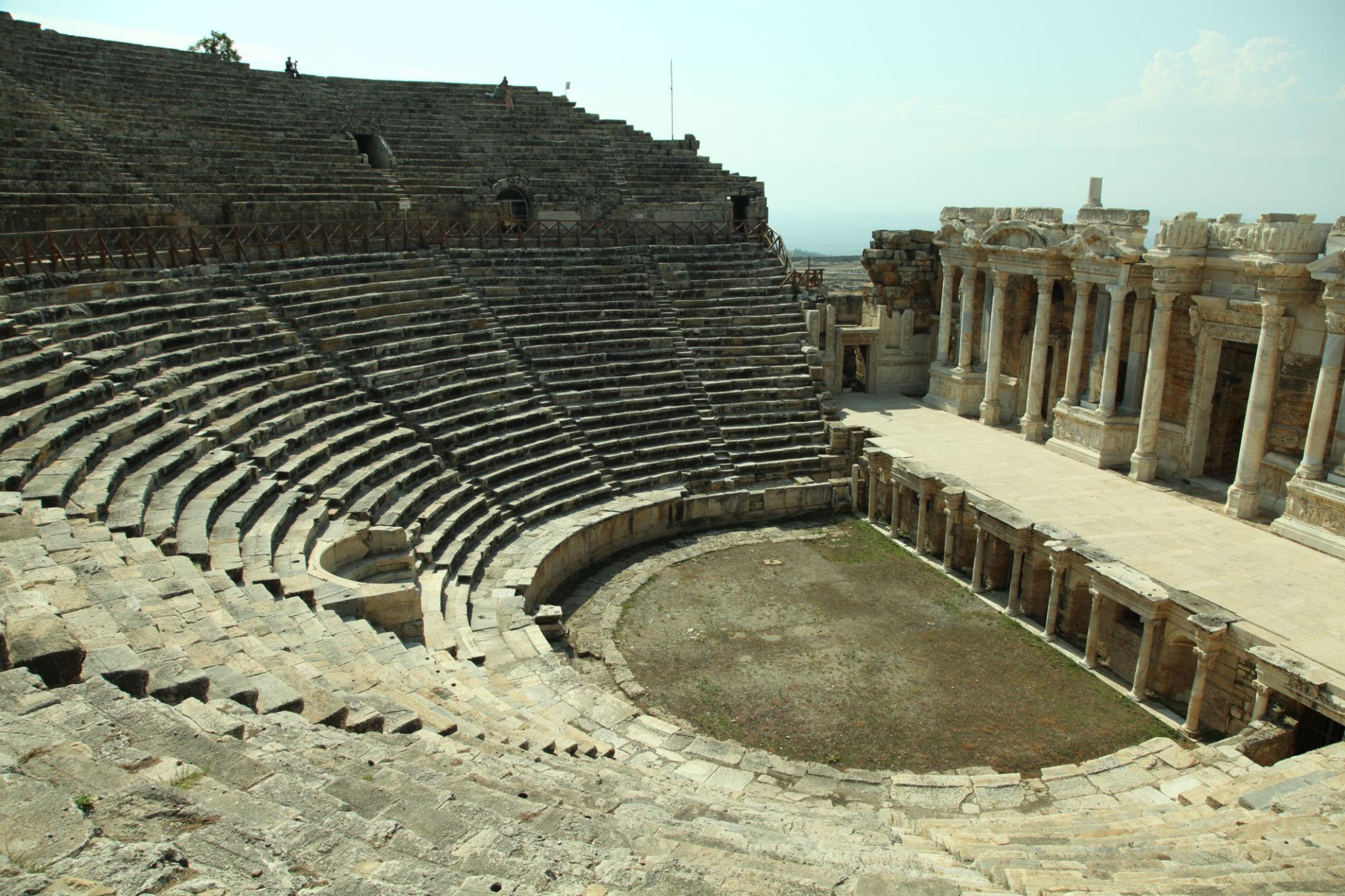
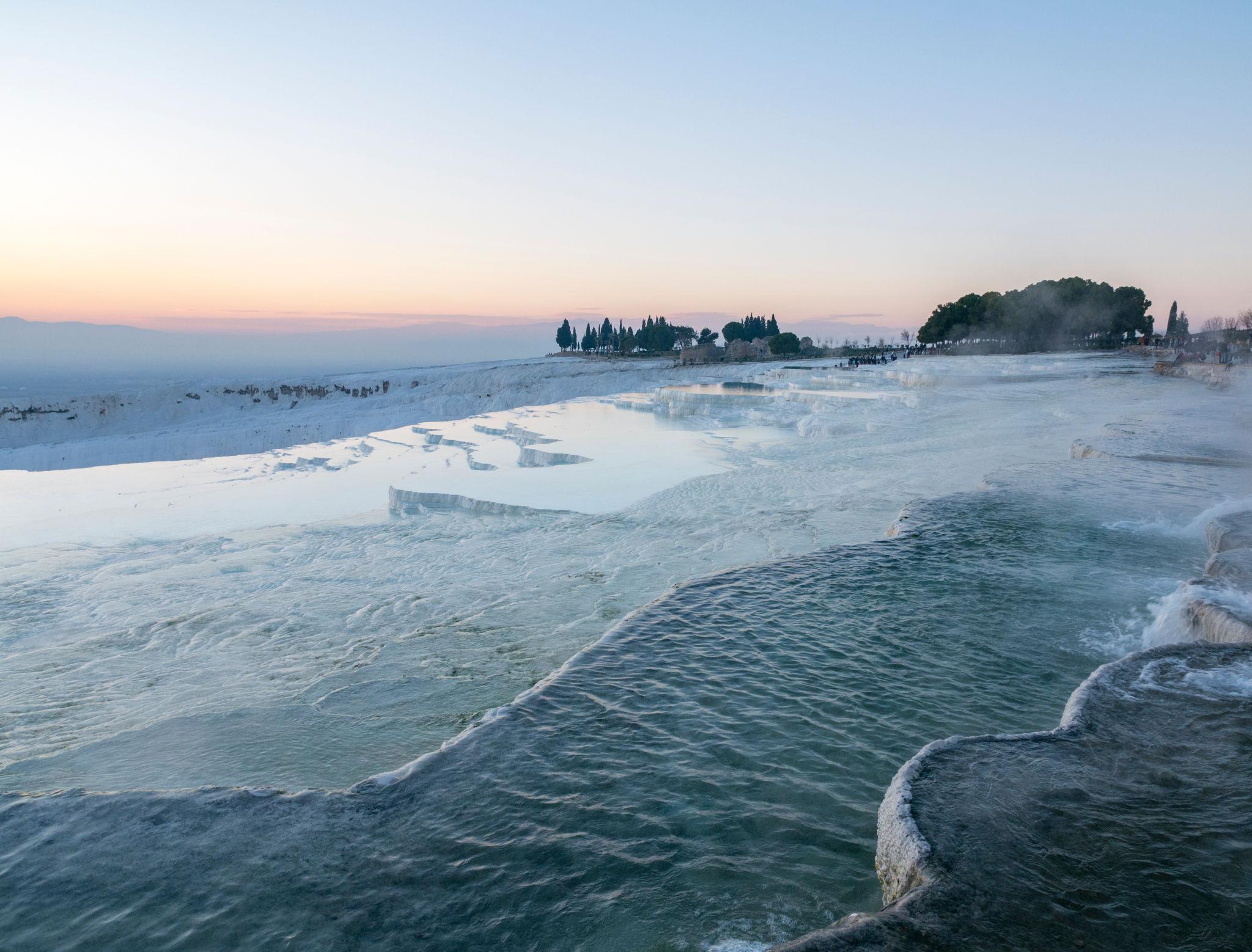
If you are planning a visit to Pamukkale, the most useful way to think about it is not as a single photo stop but as a full half-day cultural and natural experience. The white terraces are the headline attraction, but the wider site also includes Hierapolis, the ancient theater, the archaeological museum, the Antique Pool, monumental gates, and necropolis areas.
Pamukkale is visually famous because of its travertines, but the strongest visit is the one that combines the white formations, the ancient city, and the wider thermal landscape into one connected experience.
Why Pamukkale Is So Special
Pamukkale stands out because very few places combine a major archaeological zone with such an unusual natural surface in one compact visit.
For a traveler, that means Pamukkale works on two levels at once. You are not only walking beside the white terraces; you are also entering a historic spa-city landscape built around the same thermal environment.
What to See in Pamukkale
The core visit should begin with the travertines and Hierapolis together. This makes the site much richer than many first-time visitors expect.
The terraces give you the iconic visual side of Pamukkale, but the theater, gates, necropolis, and museum are what turn the visit into a broader cultural experience instead of a short scenic stop.
Is Hierapolis Worth Seeing, or Are the Travertines Enough?
Hierapolis is absolutely worth seeing. In practical terms, visiting only the white terraces would leave the experience incomplete.
Pamukkale becomes much more meaningful when you see how the natural thermal landscape and the ancient city were historically tied together.
Is the Antique Pool Worth It?
The Antique Pool is worth considering if you want to add a thermal-water element to the trip rather than only walking and sightseeing.
If your priority is history and photography, you can skip it without weakening the visit too much. If your priority is experience and atmosphere, it helps the day feel fuller.
How Much Time Do You Need in Pamukkale?
For most first-time visitors, half a day is the safest answer. The site is clearly larger than a quick photo visit once you include the terraces, Hierapolis, the museum, gates, and optional stops.
A shorter visit can work if you focus only on the main terrace-and-ruins route, but visitors who want a slower pace or want to include the museum and Antique Pool should allow more time.
Best Way to Plan Your Visit
The cleanest visit structure is simple: start with the travertines, continue through Hierapolis, then decide whether to add the museum and Antique Pool.
If you want the strongest first-time experience, do not treat Pamukkale as only a scenic terrace stop. The best version of the visit combines the white formations, the ancient city, and at least one extra layer such as the museum, Antique Pool, or a nearby archaeological extension.
Practical Visitor Tips for 2026
The official Hierapolis (Pamukkale) Orenyeri page currently says the site is open every day, with different gate and ticket-office timings. Because these details can change, it is smart to re-check the official ministry page before you go.
This matters because older travel blogs often give a single simplified time, while the official page shows that gate hours and overall closing information can be more nuanced.
What Else Can You Combine with Pamukkale?
Pamukkale can be combined not only with Hierapolis but also with Laodikeia, Karahayit Hot Springs, Pamukkale Natural Park, and other Denizli-area stops.
That means Pamukkale works well both as a focused half-day stop and as the anchor of a fuller day in the wider area.
Who Is Pamukkale Best For?
Pamukkale is especially strong for first-time visitors to Turkey, photography-focused travelers, and cultural travelers who want both archaeology and natural scenery in the same stop.
It is also one of the easier heritage sites to appreciate even if you are not deeply into ancient history, because the white terraces deliver an immediate visual impact before the archaeological detail begins.
Final Recommendation
If you want the clearest summary, here it is: visit Pamukkale for the travertines, but stay for Hierapolis. Add the Antique Pool if you want a more experience-led stop, and consider Laodikeia or Karahayit if you have extra time.
Pamukkale remains one of the most distinctive places to visit in Turkey because it is not just a natural wonder and not just an archaeological site. The strongest way to visit it is to treat the white terraces, Hierapolis, and the wider thermal landscape as one connected experience.
Related reads: 7-Day Turkey Itinerary, Best Cultural Tours in Turkey, Ephesus Ancient City Guide, and First-Time Visitor's Guide to Istanbul.
Planning your Pamukkale trip? Build your visit around the travertines and Hierapolis first, then add the Antique Pool or a nearby extra stop only if you have enough time.


