


Planning a first trip to Turkey usually starts with the same questions: visa rules, trip timing, what to pack, where to go, and how to stay safe while moving between destinations.
This FAQ brings the most common answers together in one place so the planning process feels clearer before you book flights, hotels, or tours.
If you are still shaping your route, use these answers together with Turkey Tours, Istanbul, and Cappadocia planning pages so the practical decisions match the destinations you want to see.
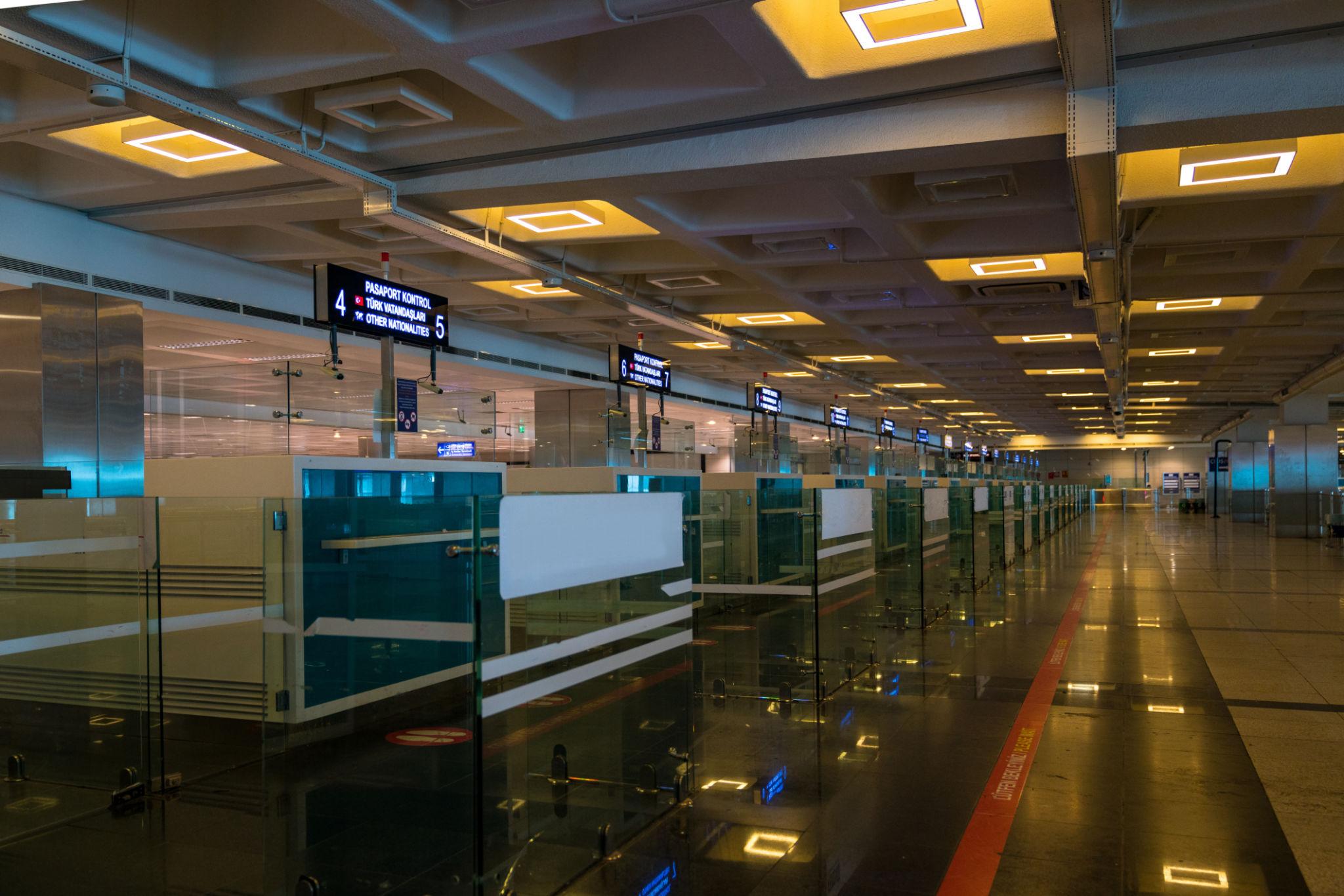
Do I Need a Visa to Travel to Turkey From the USA?
Ordinary US passport holders are currently visa-exempt for visits of up to 90 days in any 180-day period. Official passports and travel for work or study have different requirements. Confirm your own category with the Turkish Ministry of Foreign Affairs before departure.
Check passport validity, previous days spent in Turkey, travel purpose, and any transit requirements before booking. An exemption does not remove the other entry conditions.
Can I Get a Visa on Arrival in Turkey?
Visa-on-arrival eligibility is nationality- and document-specific; it was not universally abolished for every traveler in 2014. Do not rely on obtaining a visa at the airport without confirming your eligibility through current official guidance.
If you need a visa, confirm the permitted application route and complete the required steps before departure whenever applicable. Some travelers are visa-exempt and do not need an e-Visa.
How Long Can I Stay in Turkey With a Tourist Visa?
There is no single permitted stay for every tourist. Check the duration, validity period, and number of entries for your nationality and visa or exemption. Do not assume that every traveler receives 90 days.
It is important not to exceed that limit, because overstaying can lead to fines, deportation, or other legal consequences.
What Is the Best Time to Visit Turkey?
The best time depends on the regions you want to visit, but spring from April to June and autumn from September to November are usually the most balanced periods.
Bodrum and Antalya suit a beach-focused summer trip. Istanbul can be visited year-round, while city walks, Cappadocia, and exposed archaeological sites such as Ephesus may feel more comfortable in milder conditions.
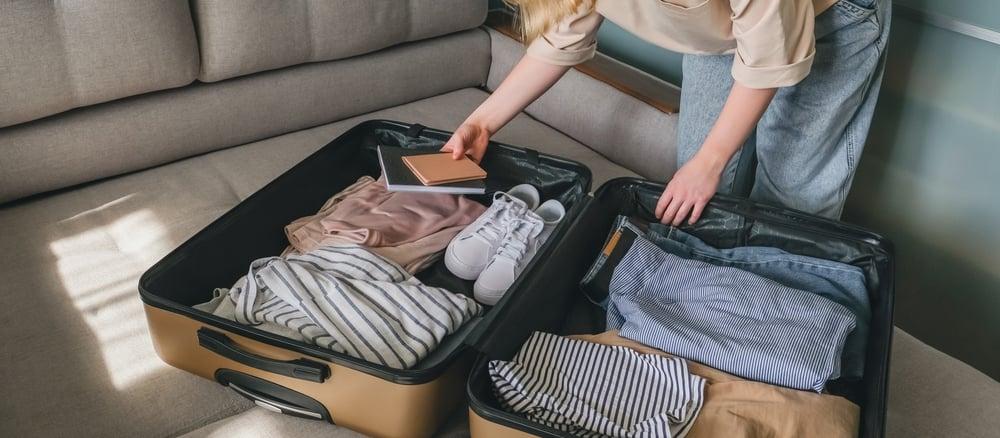
What Should I Pack for My Trip to Turkey?
Packing works best when it reflects the season, the regions on your route, and the kind of experiences you have planned.
A practical setup covers comfort for long walking days, modest clothing for religious sites, and a few essentials that make movement easier.
- Clothing: Pack lightweight clothing for warm weather, but add layers and a light jacket for cooler mornings or evenings.
- Footwear: Comfortable walking shoes are important for city routes, historical sites, and longer day trips.
- Weather Protection: Bring sunscreen, sunglasses, a hat, and either an umbrella or light waterproof layer depending on season.
- Travel Documents: Carry your passport, visa confirmation, and a backup copy of your travel insurance details.
- Electronics and Adapters: Turkey uses type C and F sockets, so a universal adapter is useful if your plug type differs.
- Medications and First Aid: Keep prescription medication in original packaging and add a small first aid kit for day-to-day use.
- Other Essentials: A reusable water bottle, day backpack, toiletry kit, and travel towel are all practical additions.
What Are the Popular Tourist Destinations in Turkey?
Turkey offers a wide mix of city, coastal, historical, and landscape-based routes, so the most popular destinations vary by travel style.
For most first-time visitors, the strongest starting points are the classic city-and-region combinations that balance culture, scenery, and easy logistics.
- Istanbul: A must-visit for architecture, mosques, bazaars, Bosphorus views, and layered history.
- Cappadocia: Known for fairy chimneys, cave hotels, sunrise balloon views, and valley walks.
- Pamukkale: Famous for white travertine terraces and the nearby ancient city of Hierapolis.
- Ephesus: One of the best-preserved ancient cities in the region and a major historical highlight.
- Antalya: A popular seaside destination combining beaches, old town atmosphere, and nearby ruins.
- Bodrum: Strong for nightlife, beaches, and summer energy.
- Troy: A memorable stop for travelers interested in mythology and archaeology.
Are There Any Specific Regulations for Visiting Turkish Historical Sites During Ramadan?
During Ramadan, travel remains possible and rewarding, but a few site-specific adjustments are worth expecting.
The main difference is not access itself, but the need for more awareness around operating hours, dress, and public behavior.
- Operating Hours: Some sites may open later or close earlier during Ramadan.
- Modest Dress: Dress more carefully, especially at mosques and religious areas.
- Respectful Behavior: Avoid eating, drinking, or smoking in sensitive public areas during fasting hours.
- Prayer Times: Be aware of prayer periods when visiting mosques or prayer spaces.
- Increased Crowds: Some places may become busier after iftar and during evening prayers.
Are There Any Specific Safety Precautions for Solo Travelers in Turkey?
Conditions vary by region and can change. Before traveling alone or with others, check your government's current travel advice for the exact places on your route, and review any implications for insurance.
The most important habits are planning ahead, staying aware in crowded areas, and choosing reliable transport when moving between neighborhoods or cities.
- Research and Plan: Understand the destinations on your route and confirm your accommodation in advance.
- Stay Connected: Share your itinerary with someone you trust and check in regularly.
- Be Aware of Surroundings: Stay careful in crowded transport hubs, tourist areas, and busy city centers.
- Use Reliable Transportation: Prefer licensed taxis, reputable transfer options, and trusted transport services.
- Dress Modestly and Respect Local Customs: This is especially useful in conservative areas or when visiting religious sites.
- Trust Your Instincts: If a situation feels wrong, leave early rather than waiting for it to become a problem.
- Stay Informed: Check current travel guidance and monitor local updates for the regions you plan to visit.


